
Останато
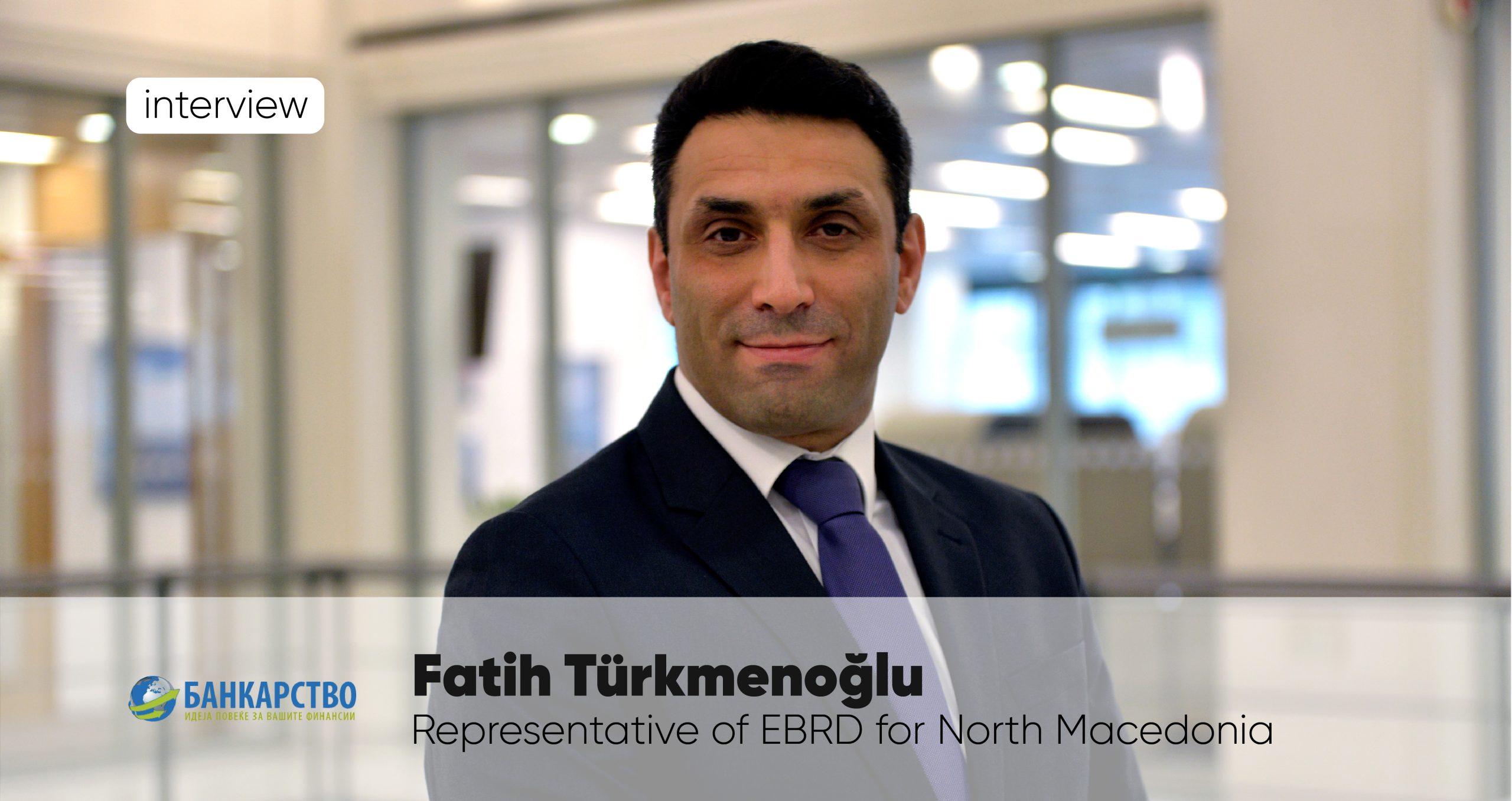
[EN] Interview | FATIH TURKMENOGLU: EBRD is dedicated to the green economy and energy transition in North Macedonia

Bankarstvo: What are the key priorities for the EBRD in North Macedonia over the next few years and how do you plan to address the most pressing economic challenges in the country?
We are speaking with Mr. Fatih Turkmenoglu, Representative of the European Bank for Reconstruction and Development (EBRD) for North Macedonia. As one of the key players supporting the country’s economic development, the EBRD plays a vital role in financing projects and initiatives that address economic challenges, foster growth and inclusiveness, and accelerate the transition to green energy.
In this interview, Mr. Turkmenoglu will present the EBRD’s key priorities for North Macedonia, including activities aimed at sustainable infrastructure, support for the green sector, and plans for inclusive development and economic stability. Additionally, we will learn more about the EBRD’s cooperation with local banks and the government, as well as the role of the private sector in achieving these ambitious goals.
Through this conversation, you will also discover how the EBRD continues to support North Macedonia’s path toward sustainable growth and integration into global economic flows.
Fatih Türkmenoğlu: The European Bank for Reconstruction and Development (EBRD) has partnered with North Macedonia for more than 30 years, forging close relationships in various sectors, spanning central and local government, financial institutions and private companies. In 2023, the Bank invested a record €259 million in 17 projects across the country. The EBRD is committed to expanding its activities in North Macedonia to support government priorities and promote economic growth.
One of the Bank’s key upcoming initiatives is to develop a new Country Strategy for North Macedonia for 2025-30. The ultimate goal of this strategy is to address the pressing challenges the country faces and to foster sustainable development for the future. The strategy is expected to be finalised in the first half of 2025. The EBRD will maintain its support over the coming five-year period, with a focus on creating a competitive and attractive economy that tackles demographic issues, supporting the development of sustainable infrastructure, greening the economy and strengthening integration with the broader region and global value chains. All of the projects the EBRD is financing in the private and public sector aim to address the country’s current challenges – a decreasing population, sluggish labour-market productivity and skills mismatches, gaps in economic inclusion and access to finance, improving the resilience of public infrastructure and enhancing energy stability.
Bankarstvo: How does the EBRD support sustainable infrastructure and green energy projects in North Macedonia and what role does the private sector play in these initiatives?
Fatih Türkmenoğlu: The Bank is committed to advancing infrastructure and environmental standards in North Macedonia, enhancing connectivity and supporting the transition to renewable energy.
The EBRD has played a vital role in advancing key road and railroad infrastructure within the Pan-European Corridors VIII and X. It has invested around €427 million in eight road projects, five of which are currently in various stages of implementation. In addition, it has been the sole international financial institution to support the key TEN-T rail corridors, as well as the renewal of the country’s railway fleet over the past decade, with a railway portfolio totalling €257 million over six projects.
Building on our long-standing cooperation in the transport sector, we assisted the authorities in North Macedonia in preparing the Western Balkans Investment Framework (WBIF) Technical Assistance Grant Application Form to secure funding for the project documentation involved in the rehabilitation of Rail Corridor X. This technical assistance is essential in order to prioritise investment in critical Corridor X rail sections within North Macedonia. These investments will significantly enhance connectivity, boosting passenger and cargo traffic and fostering regional economic integration.
We are also committed to enhancing the environment through the Bank’s Regional Solid Waste Project. This initiative aims to provide services that meet European Union (EU) standards for over 1 million residents in three planning regions. The EBRD has played a key role in securing grants from bilateral donors, including Switzerland and Sweden, as well as from the WBIF.
The energy crisis accelerated the energy transition by emphasising the importance of energy costs and security, the need to have a diversified supply base and integrated regional markets. Renewables offer cost-competitive domestic energy, bringing massive environmental benefits and security of supply. In this context, the current environment provides an opportunity to accelerate renewable investments (both public and private) and underscores the need to improve national electricity networks and cross-border interconnections, along with more liquid energy markets.
This is why, despite the current international environment, the EBRD is encouraging the country to remain focused on its low-carbon pathway and to maintain its commitment to the decarbonisation of the energy sector in order to reach net-zero emissions by 2050, in line with its national strategy. We recommend that North Macedonia simplify its licensing and permitting process to stimulate private and public investment in new renewable capacity, so the country can meet its ambitious renewable goals and achieve the 82 per cent emissions reduction targeted by 2030 in its enhanced Nationally Determined Contribution. We would also encourage the government to invest further in the grid to facilitate renewable capacity integration and to work to improve market liquidity and advance market coupling as soon as feasible, to enable integration with European energy markets.
With the support of the EBRD, at the COP28 conference in Dubai, North Macedonia launched a just energy transition investment platform to guide its far-reaching plans for a low-carbon, just transition of the electricity sector. The platform is a milestone for the historically coal-dependent country and underscores its ambition to transform its energy sector and economy into a low-carbon, low-cost, secure paradigm. The platform seeks to combine government, international finance and private investment to reach a minimum 1.7 GW of renewable energy generation by the end of the decade, as well as grid and energy storage upgrades and measures to support communities affected by the energy transition.
To date, the EBRD has supported the regulatory and legal aspects of introducing renewable auctions, as well as launching three tenders for a total combined capacity of 162 MW of solar energy. The Bank will now support the Ministry of Energy in introducing multiple auctions for contracts of difference and facilitate up to 1 GW of new solar and wind power plants. The EBRD has supported the country in taking its first step in the energy transition by directly financing the construction by state electricity company ESM of the first utility-scale solar photovoltaic (PV) plant in North Macedonia – a 10 MW PV plant on the exhausted coalmine of the thermal power plant (TPP) Oslomej, which is already operational. In addition, the EBRD is financing a 10 MW solar plant extension in Oslomej and a 20 MW solar plant adjustment at TPP Bitola. Transmission grid development is critical to the energy transition, and the EBRD recently supported new investments in the grid in the southeast region of the country, which will allow the connection of an additional 1.2 GW of renewable energy capacity. Of course, the Bank stands ready to support the country’s green transition with additional policy support, technical assistance, and financing of renewable energy capacity and the electrical grid.
Bankarstvo: In your experience, what are the biggest opportunities for growth in North Macedonia’s economy, and how can the EBRD help local businesses capitalize on them?
Fatih Türkmenoğlu: The EBRD sees direct and indirect company financing and support for private-sector competitiveness as being among the most important strategic priorities and urgent tasks ahead. The Bank offers more than just finance for the private sector; we also provide business advice to help private businesses grow and transform through our network of international advisers and local consultants. In North Macedonia, each year, we provide business support to a range of clients, from start-ups to large firms, offering training and seminars for companies, consultants and other stakeholders, including capacity-building for partner institutions and acceleration programmes on topics from digitalisation to the green transition and inclusion, in line with the Bank’s strategic priorities.
The EBRD is also active on the policy side and is currently working with key stakeholders to identify the main competitiveness policy priorities for small and medium-sized enterprises (SMEs), which should help to enable a better business environment.
Bankarstvo: What strategies is the EBRD employing to foster inclusive development and improve economic opportunities for marginalised communities in North Macedonia?
Fatih Türkmenoğlu: In recent years, the EBRD has intensified its focus on inclusive development in North Macedonia, particularly through innovative projects and policy dialogue. Over 50 per cent of the projects signed in 2023 were designed to incorporate gender aspects.
These included two infrastructure projects with significant inclusive components. For the first time, inclusive procurement features were part of the Regional Solid Waste Project, with a view to creating skills and employment opportunities for underserved groups, such as women and Roma people.
In addition, the inclusion component of the Road Corridor VIII – Phase I Project is supporting the implementation of on-site training opportunities for young people, underscoring the adoption of inclusive procurement principles.
Also, under its Economic Inclusion Programme, the EBRD supported one of the leading local confectionary companies in establishing the first certified academy for executive management in the country, as well as a vocational education and training centre, which has been instrumental in providing subsidised training in an underserved area, promoting lifelong professional development, preventing brain drain among young people in the region and ensuring skills development.
The Bank is also implementing the Women in Business and Youth in Business programmes in North Macedonia, aimed at women- and youth-led businesses, providing them with access to finance, know-how and support. Our Star Venture programme, meanwhile, is fostering innovation and helping high-potential, early-stage companies to grow and expand internationally.
Bankarstvo: How do you envision the EBRD’s collaboration with the government of North Macedonia and international partners evolving to ensure long-term economic stability and development?
Fatih Türkmenoğlu: The EBRD is committed to continuing its support for North Macedonia and working together with the authorities on both financing and developing infrastructure and energy projects.
The recent signing of the Joint Declaration at COP28 marks a significant milestone, reinforcing the country’s commitment to a green and just transition. This collaborative effort highlights the essential role of international cooperation in addressing climate change. The Bank’s future focus will be on mobilising investment, fostering innovation and ensuring that the transition benefits all segments of society.
The Bank is also eager to assist North Macedonia in capitalising on the opportunities provided by the EU Growth Plan for the Western Balkans. We stand ready to support the country in meeting its requirements with investment, technical assistance and expertise, all of which are crucial to successfully implementing the necessary reforms. Our commitment also includes enhancing competitiveness by improving value chains, upskilling the workforce and strengthening governance.
Furthermore, we aim to promote regional integration and connectivity while facilitating EU approximation. Our efforts will concentrate on supporting key infrastructure projects, transitioning to a green economy, creating a sustainable energy mix, achieving greater resource efficiency, and ensuring gender and economic inclusion.
Bankarstvo: How does the EBRD collaborate with local banks in North Macedonia to increase access to finance for SMEs, and what impact has this had on the local economy?
Fatih Türkmenoğlu: The banks are valued EBRD partners in North Macedonia. The banking sector is prudently regulated by the central bank, which has enabled it to keep pace with European regulation, facilitating collaboration.
Our five partner banks are among the largest in the country, encompassing around 75 per cent of the market and providing broad market reach for our products. We are not here to compete with them; we are their partner. With some of them, that partnership has lasted 20-30 years; we know each other very well and, of course, we consult with each other on the types of product to introduce to the market and what would be interesting to local SMEs. We have steady business in the financial intermediary sector in North Macedonia, resulting in €25-30 million being injected into the economy through the banks each year.
We serve the SME sector predominantly through two types of instrument – guarantee mechanisms and grant-supported financing. The guarantee mechanisms are used mainly for inclusion programmes, such as Women in Business and Youth in Business, which encourage the participation of women and youth in economic activity.
The EBRD is perhaps best known for its grant-supported financing, however, which enables end users to receive grants upon successful completion of their investments. The most successful of these include the SME Competitiveness Support and SME Reboot programmes, through which the EBRD has placed €61 million on the market over a period of five years, making North Macedonia the largest user of these programmes per capita in the Western Balkans region.
The market is now served by the United Nations Development Programme and the government-supported Green Finance Facility, which is a pilot facility of €30 million, aimed at supporting the green investments of local SMEs, available only in North Macedonia.
And there are plenty of new products we want to deploy in the coming years in a variety of areas – decarbonisation, agriculture and potentially even the return of migrants to North Macedonia.
In short, we offer plenty of opportunities for SMEs in North Macedonia and we do it predominantly through the local banks, which know the market inside out and enable our ideas to become reality.

Американскиот долар на 17-месечен максимум: Што стои зад силниот раст?

Министерството за финансии најавува натамошна модернизација на даночниот систем

Халк Осигурување со нов Управен одбор, Ило Ристовски именуван за генерален директор

Колку голема е преголема банка? NLB оди кон 37% од словенечкиот банкарски пазар

Народната банка објави конкурс за најдобро видео: награда од 60.000 денари

НОВО: Комерцијална банка воведе штедење на 25 и на 40 месеци со фиксни каматни стапки

10% поврат на средства со Mastercard картичките на Стопанска банка секој први во месецот

Македонија ќе има два система за инстант плаќања: КИБС Инстант и мобилна апликација „Стрела“ преку КИБС и TIPS Clone преку Народната банка

Кој ќе биде македонскиот Revolut?

НЛБ Групацијата вработува ИТ професионалец – Специјалист за ИТ за независна валидација








Останато
Американскиот долар на 17-месечен максимум: Што стои зад силниот раст?
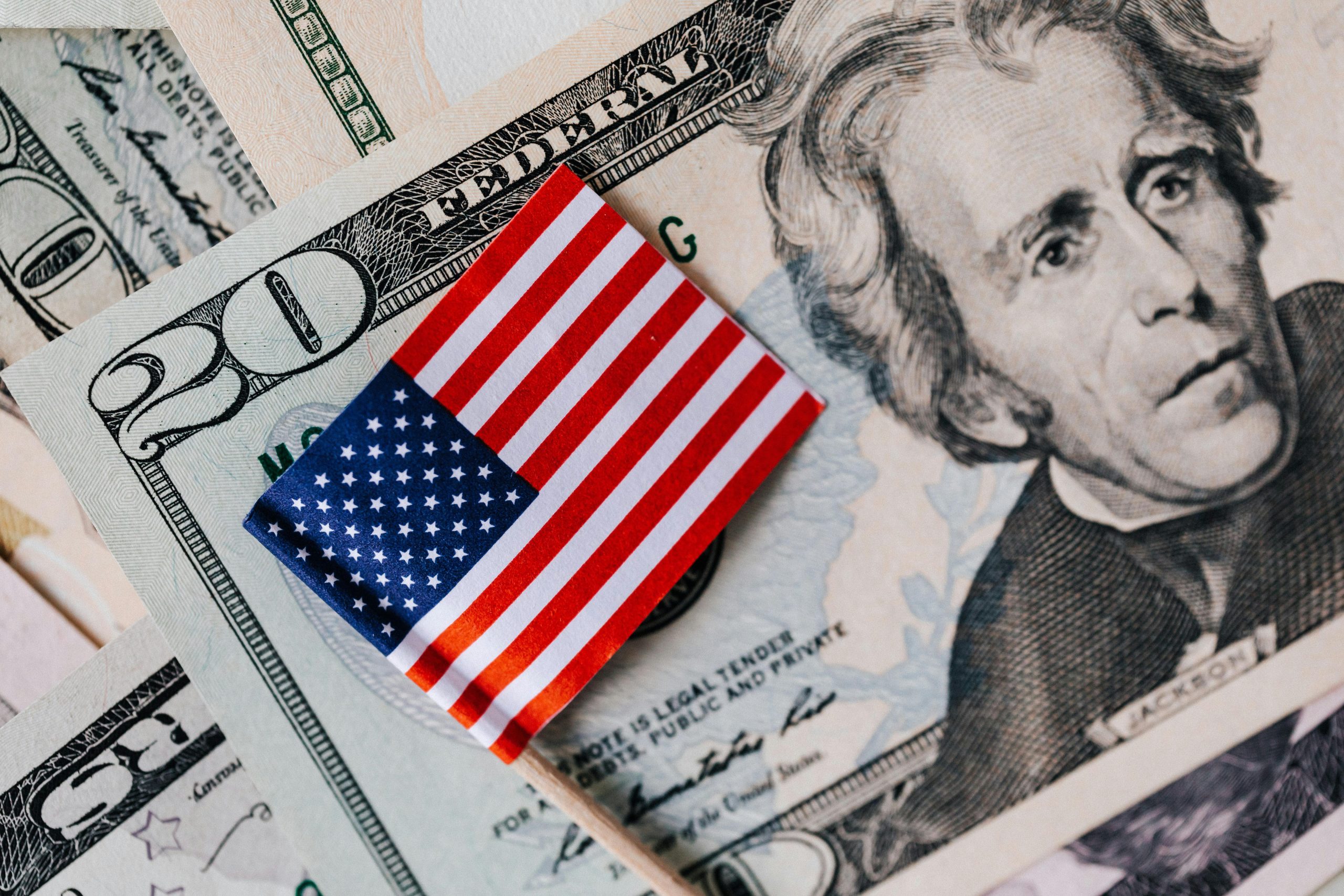
Американскиот долар продолжи да зајакнува во однос на повеќето водечки светски валути, достигнувајќи највисоко ниво во однос на еврото во последните 17 месеци. Притисокот врз европските пазари се зголемува поради високите цени на нафтата, инфлациските ризици и растечката политичка неизвесност во Европа.
Во четвртокот еврото падна под нивото од 1,13 долари за првпат од мај 2025 година. Единствената европска валута ослабе за околу 0,3 проценти, до 1,1299 долари, додека во септември забележа пад од околу 2,5 проценти, што е нејзин најголем месечен пад од јули 2025 година.
Истовремено, доларот го заврши септември со шесто последователно квартално зајакнување во однос на кошницата водечки валути. Станува збор за најдолгата ваква серија од 2022 година, период кога американските каматни стапки растеа побрзо од оние во другите големи економии.
Индексот на американскиот долар во четвртокот порасна за околу 0,2 проценти, приближувајќи се до највисокото ниво од средината на мај.
Зошто доларот зајакнува?
Еден од главните фактори е наглиот раст на приносите на американските државни обврзници. Во изминатите месеци приносите забележаа најсилен квартален раст од 1994 година, што ги направи доларските средства попривлечни за инвеститорите.
Дополнителен притисок врз еврото создава состојбата на европскиот пазар на обврзници. Приносите на француските државни обврзници се искачија на највисоко ниво во последните 14 години поради загриженоста околу јавните финансии на земјата, додека под притисок се најдоа и германските државни обврзници.
Еврото истовремено ослабе и во однос на јапонскиот јен и швајцарскиот франк, додека неговото движење во однос на британската фунта остана ограничено.
Политичката неизвесност дополнителен товар за Европа
Покрај економските ризици, инвеститорите внимателно ги следат и политичките случувања во Европа.
Франција се приближува кон изборен период кој се очекува да биде силно оспоруван, додека во Германија се зголемува политичкиот притисок врз канцеларот по серијата добри резултати на партијата Алтернатива за Германија на регионалните избори.
Овие фактори дополнително ја зголемуваат неизвесноста околу економските изгледи на еврозоната и ја намалуваат привлечноста на европските финансиски средства.
Американската инфлација пониска од очекувањата
Податоците објавени во средата покажаа дека инфлацијата во САД во август пораснала помалку од очекуваното, а истовремено биле ревидирани надолу и податоците за јули.
Тоа ги намали очекувањата дека Федералните резерви ќе ги зголемат каматните стапки на претстојниот состанок.
Сепак, инфлациските притисоци не исчезнале. Претседателот на Федералните резерви на Минеаполис, Нил Кашкари, оцени дека ценовните притисоци и понатаму остануваат високи, и покрај тоа што индексот на цените на личната потрошувачка – показателот за инфлација што внимателно го следи ФЕД – бил под очекувањата.
Според аналитичарите, пониската инфлација не ги променила драматично очекувањата за понатамошно затегнување на монетарната политика, бидејќи американската економија продолжува да покажува знаци на сила.
Особено се издвојуваат стабилната потрошувачка и сигналите за забрзување на растот на вработеноста во приватниот сектор.
Пазарите сè уште очекуваат повисоки камати
Пазарните очекувања за зголемување на каматната стапка на Федералните резерви за 25 базични поени на октомврискиот состанок паднаа на 39 проценти, од 73 проценти пред објавувањето на инфлациските податоци.
Сепак, инвеститорите и натаму очекуваат дека до крајот на следната година би можеле да следуваат уште неколку зголемувања на каматните стапки.
Високите каматни стапки и растечките приноси на американските државни обврзници генерално го поддржуваат доларот, бидејќи го зголемуваат приносот што инвеститорите можат да го остварат од средства деноминирани во американска валута.
Глобалниот пазар на обврзници под силен притисок
Септември беше тежок месец и за глобалниот пазар на обврзници, кој забележа еден од најголемите месечни падови во последните години.
Комбинацијата од влошување на јавните финансии, голема понуда на нови државни обврзници и упорно висока инфлација ги турка приносите нагоре.
Дополнителен ризик претставуваат и високите цени на енергијата, кои особено ја погодуваат Европа поради нејзината поголема зависност од увоз на енергенси.
Во таква средина, американскиот долар повторно ја зацврстува својата позиција како една од најбараните светски валути, додека еврото останува изложено на комбинација од економски, политички и инфлациски притисоци.
Останато
Министерството за финансии најавува натамошна модернизација на даночниот систем
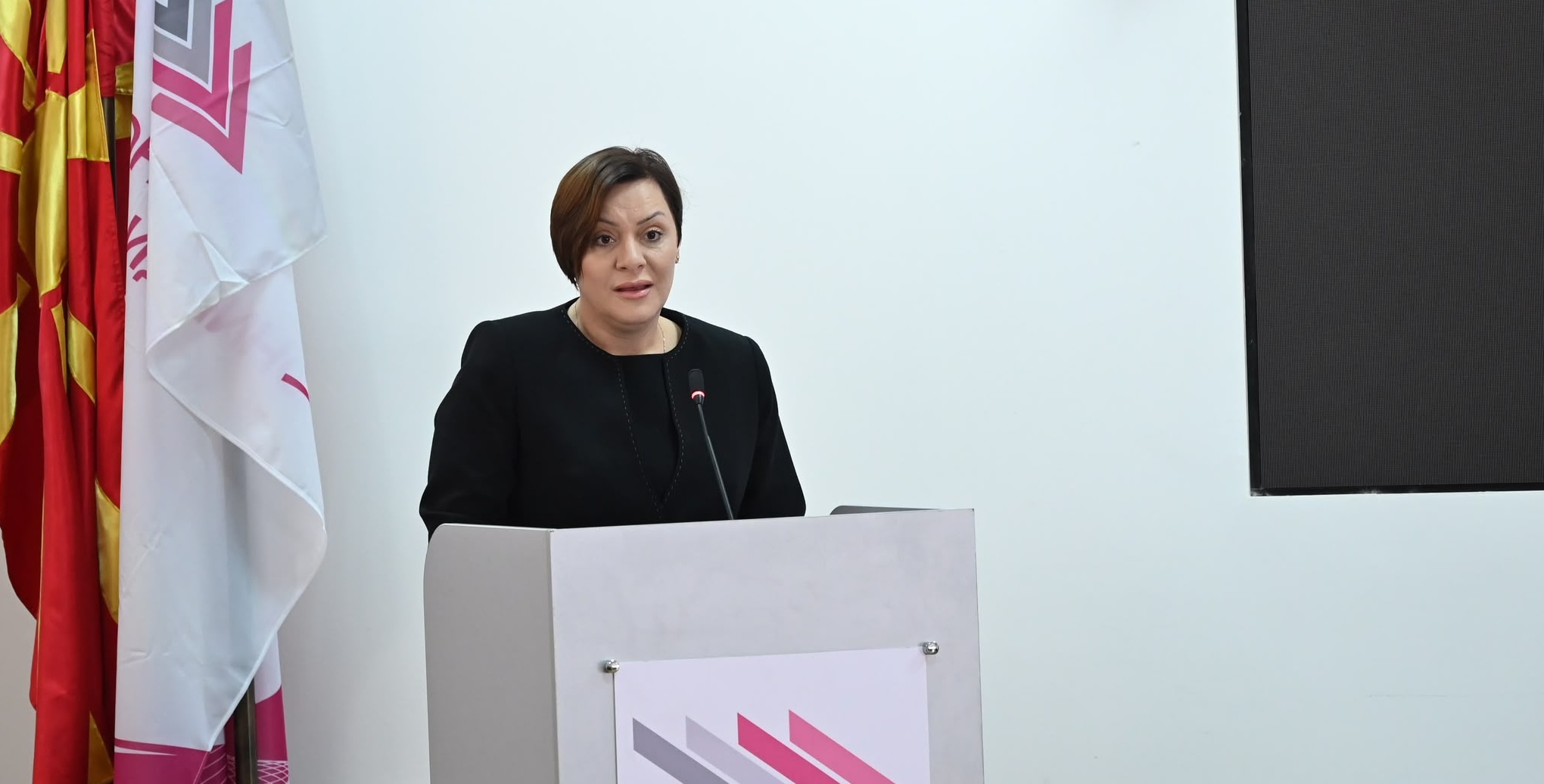
Големите даночни обврзници учествуваат со повеќе од 40 проценти во вкупно остварените даночни приходи во земјава, беше истакнато на одбележувањето на 20-годишнината од основањето на Дирекцијата за големи даночни обврзници во рамки на Управата за јавни приходи.
Министерката за финансии Гордана Димитриеска-Кочоска оцени дека формирањето на Дирекцијата пред две децении било една од позначајните реформи во даночната администрација, со цел да се воспостави специјализиран пристап кон најголемите компании во земјата.
Според неа, ваквиот модел овозможува поинтензивна комуникација со компаниите, подобро следење на нивното работење и поефикасно управување со даночните обврски.
„Компаниите кои ги опфаќа Дирекцијата се меѓу најзначајните носители на економската активност во земјата, инвестираат, вработуваат, создаваат додадена вредност и имаат значително учество во полнењето на Буџетот“, истакна Димитриеска-Кочоска.
Таа посочи дека улогата на Дирекцијата не се сведува само на наплата на јавните приходи и контрола на примената на даночните прописи, туку и на создавање професионален однос и поголема предвидливост за бизнис-секторот.
Според министерката, стабилниот и предвидлив даночен систем е еден од клучните предуслови за компаниите при носење долгорочни одлуки за инвестиции, нови вработувања и проширување на производството.
Е-фактура како дел од дигитализацијата
На настанот беше посочено дека во следниот период фокусот ќе биде ставен на понатамошна модернизација и дигитализација на даночната администрација.
Како еден од позначајните проекти беше издвоена Е-фактурата, чија имплементација е започната во Управата за јавни приходи и која треба да биде дел од пошироката дигитална трансформација на системот на јавни финансии.
Очекувањата се новиот систем да придонесе за побрзи административни постапки, намалување на товарот за компаниите, како и поголема следливост и сигурност во трансакциите.
Димитриеска-Кочоска се осврна и на средствата обезбедени од унгарската Експорт-импорт банка, кои се пласираат во домашната економија под поволни услови. Според неа, тие придонеле компаниите да започнат инвестициски циклус во вредност од близу 300 милиони евра.
Измени во даночната регулатива
Министерството за финансии продолжува и со усогласување на даночната регулатива со европските и меѓународните стандарди.
Како дел од овие активности беше посочено усвојувањето на Законот за минимален глобален данок на добивка, додека во подготовка се и измени на Законот за даночна постапка.
Со предложените измени се предвидува воведување жалбена постапка како правен лек против управните акти донесени во даночните постапки.
Димитриеска-Кочоска нагласи дека модернизацијата на даночниот систем, според политиките на Министерството, не треба да значи зголемување на даночното оптоварување.
Таа посочи дека Владата останува на концептот на рамен данок, со образложение дека таквиот модел им овозможува на компаниите поголема предвидливост при планирањето на инвестициите и идниот развој.
Дирекцијата за големи даночни обврзници функционира во рамки на Управата за јавни приходи веќе две децении, а нејзината основна задача е администрирање на даночните обврски на најголемите компании во земјата.
Анализи
Инфлацијата во Шпанија скокна на 4,9%, највисоко ниво од 2023 година
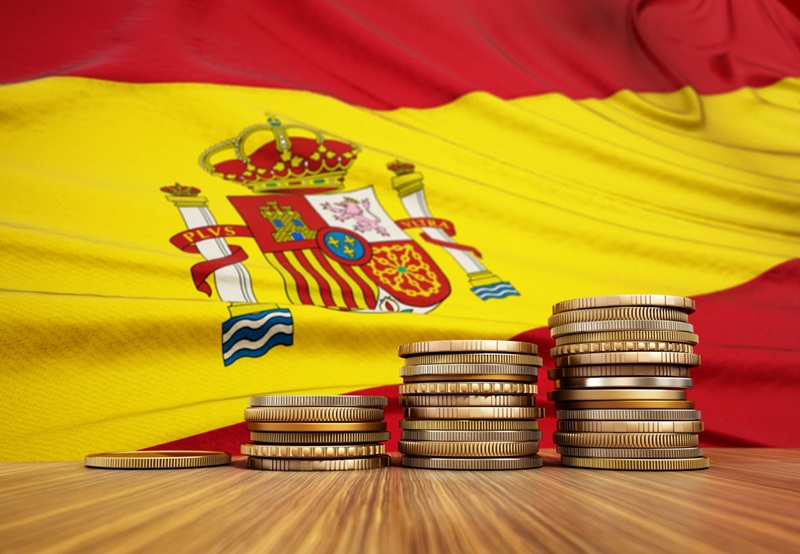
Инфлацијата во Шпанија во септември забрза на 4,9% на годишно ниво, што е највисоко ниво од февруари 2023 година, покажуваат прелиминарните податоци.
Раст е забележан и кај базичната инфлација, која ги исклучува најволатилните компоненти, како енергенсите и храната. Таа се зголеми од 2,9% на 3,1%, што укажува дека ценовните притисоци постепено се прошируваат и надвор од енергетскиот сектор.
Нов сигнал за инфлацијата во еврозоната
Податоците од Шпанија се меѓу првите показатели за тоа како се движат инфлациските притисоци во еврозоната. Во август, инфлацијата во еврозоната достигна 3,2%, при значително зголемување на цените на енергенсите.
Претседателката на Европската централна банка, Кристин Лагард, неодамна предупреди дека повисоките цени на енергијата ги зголемуваат инфлациските ризици. Сепак, засега нема јасни знаци дека тие притисоци се пренесуваат во забрзан раст на платите.
Според септемвриските проекции на ЕЦБ, просечната инфлација во еврозоната се очекува да достигне 3% во 2026 година, по што би требало да се намали на 2,5% во 2027 и на 2,1% во 2028 година.
Забрзувањето на инфлацијата во Шпанија, особено растот на базичната инфлација, сепак претставува сигнал дека патот кон стабилизирање на цените може да биде посложен доколку високите цени на енергенсите продолжат да се прелеваат во останатите делови од економијата.
Американскиот долар на 17-месечен максимум: Што стои зад силниот раст?
Министерството за финансии најавува натамошна модернизација на даночниот систем
Халк Осигурување со нов Управен одбор, Ило Ристовски именуван за генерален директор
Колку голема е преголема банка? NLB оди кон 37% од словенечкиот банкарски пазар
Народната банка објави конкурс за најдобро видео: награда од 60.000 денари
НОВО: Комерцијална банка воведе штедење на 25 и на 40 месеци со фиксни каматни стапки
10% поврат на средства со Mastercard картичките на Стопанска банка секој први во месецот
Македонија ќе има два система за инстант плаќања: КИБС Инстант и мобилна апликација „Стрела“ преку КИБС и TIPS Clone преку Народната банка
Кој ќе биде македонскиот Revolut?
НЛБ Групацијата вработува ИТ професионалец – Специјалист за ИТ за независна валидација
-
 Банкипред 2 месеци
Премиум дебитната картичка на Стопанска банка овозможува пристап до над 1.800 аеродромски деловни зони
-

 Кариерапред 2 месеци
Народната банка вработува седум лица: Плати до 91.385 денари
-

 Кариерапред 2 месеци
НЛБ Групацијата вработува специјалист за Управување со ризици/финансии
-
 Кариерапред 2 месеци
Оглас за вработување во Централна кооперативна банка АД Скопје
-
 Банкипред 2 месеци
НЛБ Банка ја исплати паричната помош за корисниците на социјална, детска и цивилна заштита
-
 Банкипред 1 месец
НОВО: Комерцијална банка воведе штедење на 25 и на 40 месеци со фиксни каматни стапки
-
Кариерапред 2 месеци
Оглас за вработување во Централна кооперативна банка АД Скопје
-
Банкипред 1 месец
10% поврат на средства со Mastercard картичките на Стопанска банка секој први во месецот